

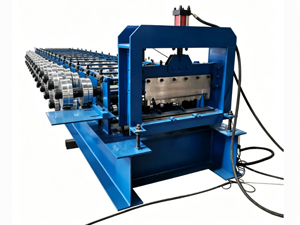
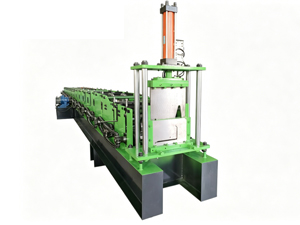
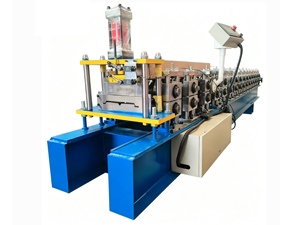
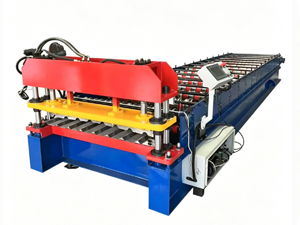
Glazed Tile 960 vs 1000 Roll Forming Machine: Which to Buy
The Value of the Right Glazed Tile Profile
Glazed tile profiles sell on looks as much as performance. The step pattern, pitch, and width change the whole roof character, so the machine you buy defines which projects you can win.
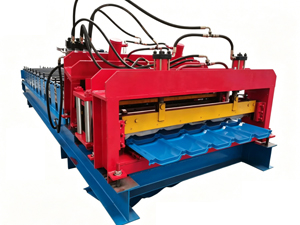
A correct choice also reduces offcut waste. Because the 960 and 1000 cover different effective widths, matching the profile to standard building bay sizes lowers side-lap scrap.
Profile Differences Between 960 and 1000
The 960 machine produces a tile with about 960 mm effective cover and a tighter step pitch, which reads as a finer, more traditional tile. The 1000 model covers roughly 1000 mm with a slightly larger step.
Both typically form 0.3 to 0.8 mm color-coated or galvanized steel. The wheel diameter on the Model 1000 is around 140 mm, and pressing thickness follows the same light-gauge range.
Matching Machine to Market and Building Style
In markets that favor a denser, antique look, the 960 glazed tile machine is preferred for villas and renovation roofs. Where faster coverage and a bolder step suit warehouses or factories, the 1000 wins.
Consider the dominant bay spacing of local buildings. Choosing the width closest to standard bay modules minimizes the need to trim sheets on site.
Evaluating Output and Thickness Metrics
Both machines run at similar line speeds, so daily output is governed by coil thickness and how often you change color or profile. Track effective square meters per shift, not just pieces.
If you also press thinner 0.3 mm material, confirm the former holds the step without oil-canning. Ask for sample tiles in your thinnest and thickest gauges.
Procurement and Verification Standards
Request the full profile drawing, step pitch, and effective width for each machine. Confirm the cutting device after forming is hydraulic and that the PLC stores multiple recipes.
A reliable glazed tile roll forming machine should ship with a spare roller set or clear roller drawing so you can reorder tooling locally without long downtime.
Common Pitfalls in Glazed Tile Machine Sourcing
The first pitfall is buying a 1000 when your market wants the finer 960 step, leaving you unable to match local aesthetics. Validate demand before committing.
The second is ignoring the curving option. Many glazed roofs need arched sections, so check whether the same line supports a curving attachment or a paired curving machine.
960 vs 1000 Selection Framework
Use the table below as a quick buyer check. Neither is superior; the better fit follows your regional style and typical building bays.
| Factor | 960 Glazed Tile | 1000 Glazed Tile | Impact |
|---|---|---|---|
| Effective width | ~960 mm | ~1000 mm | 1000 covers faster |
| Step pitch | Finer, traditional | Bolder step | 960 looks classic |
| Typical use | Villas, renovation | Warehouse, factory | Match building type |
| Thickness | 0.3 to 0.8 mm | 0.3 to 0.8 mm | Same range |
| Waste | Less on narrow bays | Less on wide bays | Match bay size |
Frequently Asked Questions
What is the difference between 960 and 1000 glazed tile machines?
They differ mainly in effective coverage width and step pitch. The 960 gives a finer, more traditional tile around 960 mm wide; the 1000 covers about 1000 mm with a bolder step for faster coverage.
Which glazed tile machine is better for houses?
The 960 is usually preferred for villas and renovation because its finer step reads as a classic tile. The 1000 suits warehouses and factories where bold steps and fast coverage matter more.
Can one machine make both 960 and 1000 profiles?
Not usually, because the roller set defines the step and width. You would need a separate line or a changeable roller cassette. Confirm with the supplier whether cassettes are available.
What thickness can a glazed tile roll forming machine handle?
Standard machines form 0.3 to 0.8 mm color-coated or galvanized steel. Always request sample tiles at your thinnest and thickest gauges to check step definition.
Does the machine also curve glazed tiles?
Curving is usually a separate or paired attachment. If you need arched glazed roofs, ask whether the line supports a curving unit or plan a matching roof sheet curving machine.
How do I verify a glazed tile machine before purchase?
Request the profile drawing, effective width, step pitch, and a hydraulic post-cut sample. Confirm the PLC recipe storage and spare roller availability for fast local reorder.
Conclusion
The 960 and 1000 glazed tile machines are not rivals but different fits: the 960 for fine, traditional roofs and the 1000 for faster, bolder coverage on industrial buildings.
Review the glazed tile roll forming machine options from Tianyu Machinery and share your local building styles with our team so we can recommend the right effective width and step pitch.
next:none






 首页
首页 产品
产品 联系
联系
