

Corrugated vs Glazed Tile Roof: Which Profile to Specify
The Value of Matching Profile to Purpose
Corrugated sheet is a repeating sine wave that gives high stiffness per kilo, which is why it dominates agricultural and industrial roofs. Glazed tile adds a stepped pattern for a tiled look.
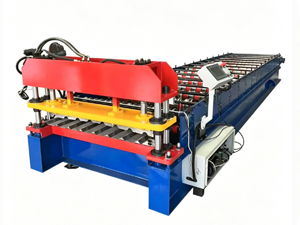
Choosing by purpose avoids overspend. A warehouse rarely needs the tiled facade; a villa rarely wants a utility corrugated surface. The machine follows the choice.
Profile and Strength Differences
Corrugated roofing uses deep, regular waves for stiffness, so it spans wider on lighter gauge. Glazed tile uses shallower steps and relies more on the building substrate for span.
Both form 0.3 to 0.8 mm color-coated or galvanized steel, but corrugated's geometry gives more structural value per meter, which is why it is the economy choice.
Matching Profile to Building Type
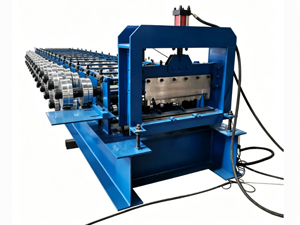
For factories, farms, and sheds, corrugated sheet roll forming machine output is the workhorse: cheap, strong, fast to lay. For houses, offices, and renovations, glazed tile wins on appearance.
Consider local taste. In many markets glazed tile reads as premium and commands a better margin, even when the building is otherwise simple.
Evaluating Span and Cost Metrics
Compare effective stiffness per kilo, not just price per sheet. Corrugated often needs less steel for the same span, lowering material cost on big roofs.
For glazed tile, compare step definition and paint cure; a crisp step sells the look. Request samples in your thinnest gauge to check the step does not oil-can.
Procurement and Verification Standards
For corrugated, request wave height, pitch, and effective width. For glazed tile, request step pitch and effective width, plus a hydraulic post-cut sample.
Confirm both lines store recipes and that spare rollers are available, since these high-volume machines wear tooling and need fast local reorder.
Common Pitfalls in Roof Profile Sourcing
A pitfall is specifying glazed tile on a low-budget industrial roof, paying for looks no one sees. Match the profile to the building's market, not habit.
The reverse is using corrugated on a design-led project and losing the job to a tiled competitor. Know your customer before fixing the machine.
Corrugated vs Glazed Tile Framework
Use the table below as a quick spec aid. Both are valid; the fit follows building type and margin target.
| Factor | Corrugated | Glazed Tile | Impact |
|---|---|---|---|
| Stiffness per kilo | High | Moderate | Corrugated stronger |
| Look | Utility | Tiled, premium | Glazed for design |
| Cost | Lower | Higher | Corrugated cheaper |
| Best use | Factory, farm | House, office | Match market |
| Margin | Standard | Higher | Glazed for profit |
Frequently Asked Questions
What is the difference between corrugated and glazed tile roof?
Corrugated is a repeating sine wave giving high stiffness per kilo for economy roofs; glazed tile is a stepped profile giving a tiled, premium appearance at higher cost.
Which is stronger, corrugated or glazed tile?
Per kilo, corrugated is generally stronger because its deep waves span wider on lighter gauge. Glazed tile relies more on the substrate and is chosen for looks.
Which roof is cheaper?
Corrugated is usually cheaper in material and machine cost, which is why it dominates industrial and agricultural buildings. Glazed tile costs more but can carry a higher margin.
Can one machine make both profiles?
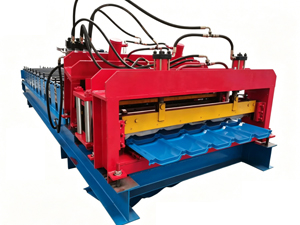
No, the roller geometry differs. You need a corrugated sheet roll forming machine and a separate glazed tile roll forming machine, or changeable cassettes if offered.
Which roof is best for houses?
Glazed tile is usually preferred for houses and offices because of its tiled look. Corrugated suits farms, factories, and sheds where economy matters most.
How do I verify these machines?
For corrugated, check wave height, pitch, and width. For glazed tile, check step pitch and width plus a post-cut sample, and confirm spare roller availability for both.
Conclusion
Corrugated and glazed tile roofs serve different masters: corrugated for strength and economy, glazed tile for styled appearance and margin. The right machine follows the building's market.
Compare the corrugated sheet roll forming machine and the glazed tile roll forming machine from Tianyu Machinery, and tell us your typical building type so we can recommend the better profile.
next:none






 首页
首页 产品
产品 联系
联系
