

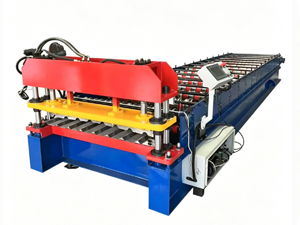
Hidden Roof Panel vs Exposed Fastener: Clip-Lock Roofing Explained
The Value of a Concealed-Fix Roof
A hidden roof panel carries its clips inside the seam, so rain never crosses a screw hole. That removes the most common cause of metal-roof leaks and extends service life.
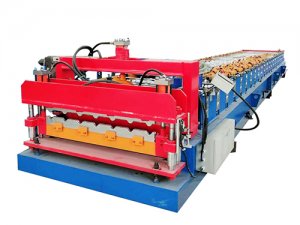
Concealed fixing also looks cleaner. For architect-driven projects, the unbroken surface is often the reason a clip-lock specification wins over a screwed panel.
How Hidden and Exposed Systems Differ
Exposed-fastener panels seat on the flat and are screwed through the crown. Hidden panels form a female and male leg that a clip and seam lock together, leaving the fastener below the weather surface.
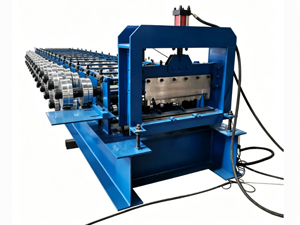
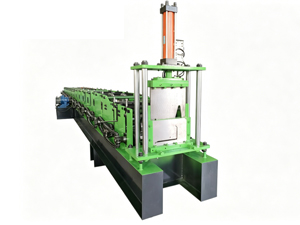
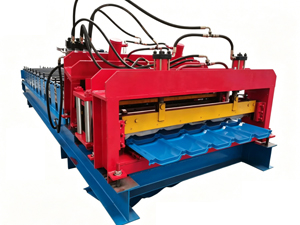
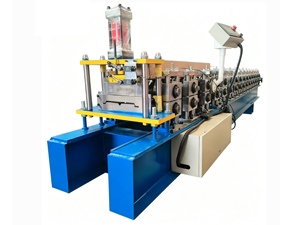
The hidden system needs a panel with a properly shaped seam, which is why the hidden roof panel roll forming machine must hold tight seam geometry across the whole coil.
Matching Panel Type to Building and Climate
For low-slope roofs, coastal sites, or buildings with strict water-tightness needs, concealed-fix panels are the safer specification. Exposed panels remain fine for steep-slope sheds with easy access.
High-wind regions favor clip-lock because the continuous seam distributes uplift better than individual screws. Confirm the clip spacing with local wind loads.
Evaluating Seam and Wind Metrics
Measure seam height and clip spacing rather than just width. A taller seam and closer clips raise uplift rating but add steel and forming effort.
Ask the machine supplier for a seam cross-section drawing and for the panel's tested uplift class if available. A good hidden roof panel roll forming machine holds seam shape without oil-canning.
Procurement and Verification Standards
Request sample panels in your thinnest gauge and check the seam closes square and the clip seats without force. Verify the former stores multiple seam recipes if you run several profiles.
Confirm the line includes correct side-trim and that the seamer (hand or powered) is supplied, since the panel is only watertight once the seam is closed on site.
Common Pitfalls in Roof Panel Sourcing
A frequent error is buying an exposed-fastener line for a low-slope premium roof, then fighting leaks. Match the machine to the specification, not just to price.
Another is forgetting the seaming tool. A hidden panel machine without a compatible seamer leaves you unable to close the roof, so budget the seamer as part of the line.
Hidden vs Exposed Framework
Use the comparison below when advising a client or choosing your own production. Concealed fix costs more per meter but cuts lifetime leak risk.
| Factor | Exposed Fastener | Hidden / Clip-Lock | Impact |
|---|---|---|---|
| Penetrations | Many screws | None on surface | Hidden wins on leaks |
| Water tightness | Screw-dependent | Seam-locked | Better for low slope |
| Wind uplift | Point fixed | Continuous seam | Hidden resists uplift |
| Cost per m | Lower | Higher | Exposed cheaper now |
| Look | Visible screws | Clean surface | Hidden for premium |
Frequently Asked Questions
What is a hidden roof panel?
A hidden, or clip-lock, roof panel is fixed by concealed clips inside the seam, so no screws pierce the weather surface. This removes the leak points found on exposed-fastener roofs.
Is a clip-lock roof worth the extra cost?
For low-slope, coastal, or high-wind buildings, yes. The concealed fix cuts leak risk and uplift failure, lowering lifetime maintenance even though the panel costs more per meter.
Can a hidden roof panel roll forming machine also make wall panels?
Often yes, with a different seam or profile recipe. Many roof and wall panel roll forming machines share a line; confirm the seam geometry and clip details with the supplier.
Do I need a special tool to install hidden panels?
Yes, a seamer that closes the standing seam on site. Buy a compatible hand or powered seamer with the line, because the roof is only watertight after the seam is locked.
Which is better for high wind?
Concealed-fix clip-lock panels generally resist uplift better because the continuous seam distributes load. Check clip spacing against your local wind load.
How do I verify a hidden panel machine?
Request sample panels in your thinnest gauge, check the seam closes square, and ask for the seam cross-section and tested uplift class if available.
Conclusion
Hidden roof panels trade a higher per-meter cost for fewer leak paths, better wind performance, and a cleaner look, making them the right call for low-slope and premium buildings.
Compare the hidden roof panel roll forming machine from Tianyu Machinery with our exposed-fastener lines, and let our team match the seam and clip spacing to your climate.
next:none






 首页
首页 产品
产品 联系
联系
