

Color Steel Tile Machine vs Traditional Roofing
The roofing industry is at an inflection point. Traditional clay and concrete tiles—used for millennia—are being challenged by factory-produced color steel tile panels that deliver similar aesthetics at a fraction of the weight and cost. If you are a building owner, contractor, or manufacturer evaluating these options, this head-to-head comparison covers everything that matters.
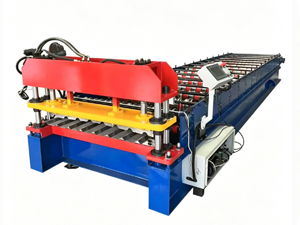
We also look at the color steel tile machine itself—what it produces, how it works, and what to consider when evaluating one for your production line.
What Is a Color Steel Tile Machine?
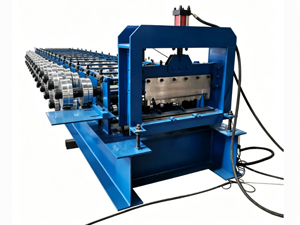
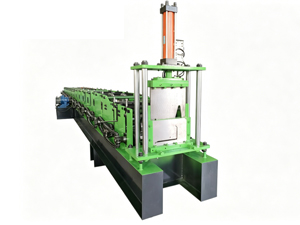
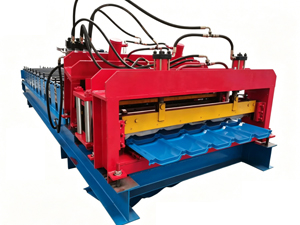
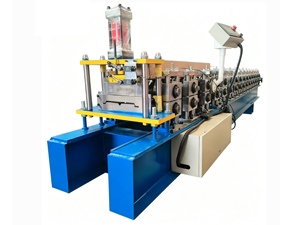
A color steel tile machine is a roll forming line configured to produce metal tile panels from color-coated steel coils. The input material—typically PPGI (Pre-Painted Galvanized Iron) or PPGL (Pre-Painted Galvalume)—already carries a baked-on paint finish in the target color. The roll forming process shapes the flat strip into a tile cross-section without damaging the coating.
The result is a finished roof panel with factory-applied color (no on-site painting), interlocking tile geometry, lightweight steel strength, and corrosion resistance from the galvanized or Galvalume base.
These machines are built on the same principle as standard roll forming machines but with tile-profile roller sets and often a coating oven for the glazed tile variant.
How Color Steel Tiles Compare to Traditional Roof Materials
1. Weight
This is where color steel tiles win decisively. A clay tile roof weighs 40–80 kg/m², a concrete tile roof 45–70 kg/m², and natural slate 25–50 kg/m². By contrast, a color steel tile roof weighs only 4–6 kg/m²—roughly 80–90% less than traditional clay or concrete. For retrofit applications where the existing structure cannot support heavy loads, this eliminates the need for costly structural reinforcement.
2. Installation Speed
Traditional tiles are laid individually, require mortar or clips, and need skilled craftspeople. A single roof tile setter might install 15–25 m² per day. Color steel tile panels come in larger sheets (typically 1,000–1,250 mm wide, cut to length) and are fastened directly to purlins with screws or clips. An experienced crew can install 100–200 m² per day—a 5–10× speed advantage that translates directly into lower labor costs.
3. Structural Requirements
Heavy traditional roofs require thick rafters or trusses, structural underlayment, and mortar bedding. Color steel tile systems use light steel purlins or timber battens at 600–1,200 mm spacing with direct screw attachment, and an optional waterproof membrane for low-slope applications. For new builds, structural steel savings from using color steel tiles can offset a meaningful portion of the material cost.
4. Durability and Lifespan
Standard polyester-coated color steel tiles last 25–35 years. Premium PVDF or stone-coated glazed tiles last 40–60 years. Lifespan is heavily influenced by coating quality: polyester coatings last 10–15 years before chalking; PVDF coatings last 20–30 years with minimal color fade. Glazed tiles with stone coating add further abrasion resistance.
5. Aesthetic Comparison
Modern forming techniques replicate Spanish S-tile curves, Japanese flat tile geometry, and barrel vault Mediterranean styles with high fidelity. Glazed variants add a shiny, stone-like surface that is difficult to distinguish from clay at a glance. The ability to produce panels in any RAL color gives architects far more design freedom than the limited palette of natural materials.
6. Cost Comparison
When evaluating total installed cost—including material and labor—color steel tile roofs typically fall significantly below clay and concrete alternatives, driven by faster installation speed and reduced structural requirements.
The Glazed Tile vs Clay Tile Debate
The comparison between glazed tile and clay tile comes up frequently in markets where traditional aesthetics are valued—residential housing in Southeast Asia, resort developments, or heritage restoration projects.
Glazed steel tile advantages over clay:
No breakage during transport or installation (clay tiles crack easily)
Uniform size and geometry (no firing inconsistencies)
Available in colors clay cannot achieve
Lighter weight enables installation on structures clay cannot be used on
Non-porous surface resists algae and moss growth
Where clay still wins:
Natural material authenticity for heritage or conservation projects
Longer lifespan in freeze-thaw cycles
Higher resale value perception in certain premium markets
Color Steel Tile Machine: What to Expect
When evaluating a color steel tile machine for your production facility, key specifications to review include the number of forming stations, roller material, shaft diameter, and PLC control system. Key factors affecting machine configuration include the number of forming stations (12–24+ sets), roller material (GCr15 heat-treated, HRC58–62), shaft diameter (Ø70–90 mm for production-grade lines), PLC brand, custom die costs per unique profile, and the after-sales support package.
When to Choose Each Option
Choose color steel tile roofing when:
Budget is a primary constraint
The building is a warehouse, factory, agricultural, or commercial structure
Fast installation is required (storm season deadlines, retrofit projects)
The structure cannot support heavy roof loads
You need design flexibility with color options
The project is in a moderate climate without extreme freeze-thaw exposure
Choose traditional clay or concrete tile when:
Heritage aesthetics or natural material authenticity is required
The project is in a freeze-thaw climate
The client has a long-term investment horizon and can justify higher upfront cost
The building is a luxury residential or architectural project where the premium perception matters
Frequently Asked Questions
What is a color steel tile machine?
A color steel tile machine is a roll forming line that processes pre-painted galvanized or Galvalume steel coils into interlocking tile-profile panels. The input material carries a factory-applied paint finish, so the output panel requires no additional coating.
How long does a color steel tile roof last?
Standard polyester-coated color steel tiles last 25–35 years. Premium PVDF or stone-coated glazed tiles last 40–60 years. Lifespan depends on coating quality, installation environment, and maintenance practices.
Is a color steel tile roof noisier than traditional roofing during rain or hail?
Metal roofs do conduct more sound than tile or slate, but with proper insulation (foam or fiberglass underlayment) and a ventilated roof space, the noise difference is minimal and comparable to other roofing materials in practice.
Can color steel tiles be installed over existing roof shingles?
In many jurisdictions, yes. The light weight of color steel tiles (4–6 kg/m²) allows installation over a single layer of existing shingles without stripping, saving disposal costs. Always verify local building codes and ensure the existing structure is sound.
What is the difference between glazed tile and standard color steel tile?
Glazed tiles have an additional coating layer—either a glossy paint, a stone-chip coating, or an acrylic glaze—applied to the visible face of the panel. This improves UV resistance, aesthetics, and abrasion resistance compared to standard polyester-coated panels.
What maintenance does a color steel tile roof require?
Color steel tile roofs require minimal maintenance: periodic cleaning of gutters and debris from pans, checking fastener seals every 5–10 years, and occasional washing in coastal or industrial environments to remove salt or chemical deposits.
Conclusion
Color steel tile roofing is not a compromise—it is a different tool for a different job. For most commercial, industrial, agricultural, and budget-conscious residential projects, it delivers 80% of the aesthetic at a fraction of the cost, with faster installation and lower structural requirements.
For projects where natural materials, heritage aesthetics, or maximum longevity are non-negotiable, traditional clay or concrete tiles remain the right choice.
If you are evaluating a color steel tile machine for your production facility, Tianyu offers custom tile forming lines with standard and glazed configurations, tailored to your target profile, material specification, and output targets. Provide your desired tile geometry and daily production volume for a detailed machine configuration proposal.
Sources: Metal Construction Association (MCA) Technical Guidelines on Metal Roofing Systems; American Galvanizers Association (AGA) Hot-Dip Galvanized Steel for Corrosion Protection; ASTM International Standard Specification for Steel Sheet, Metallic-Coated by the Hot-Dip Process for Corrugated Roof Pipe.






 首页
首页 产品
产品 联系
联系
