

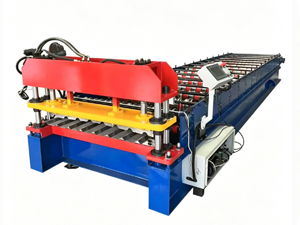
Roll Forming Machine Maintenance: Factory Guide to Reducing Downtime and Extending Equipment Life
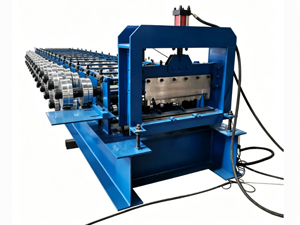
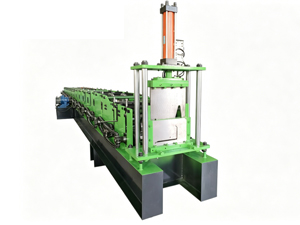
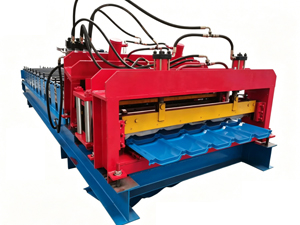
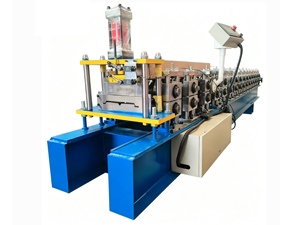
A roll forming machine is a relatively simple piece of equipment—a decoiler, some rollers, a motor, a shear. But that simplicity is deceptive. When one component fails, the whole line stops. And in a factory running two or three shifts, an hour of unplanned downtime is not just an inconvenience; it is a direct hit to output, delivery schedules, and profit. This guide covers the maintenance practices that keep roll forming lines running reliably year after year.
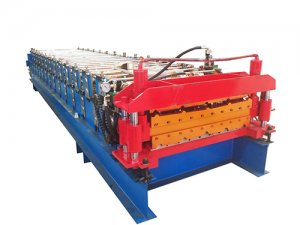
The Maintenance Mindset: Prevention Over Reaction
The factories that get the most out of their roll forming equipment are the ones that treat maintenance as a daily practice, not an emergency response. This means establishing routines that catch wear and problems before they cause failures. It is the same logic that makes car owners change oil at 10,000 kilometers instead of waiting for the engine to seize. Machines reward attentive owners the same way vehicles do.
That said, maintenance should not consume so much time that it cuts into productive hours. The goal is to find the minimum effective dose—regular enough to prevent failures, concise enough that operators actually do it. Five minutes at the start of each shift is far better than two hours on a Sunday afternoon because something broke on Saturday night.
Daily Checks: The Five-Minute Routine
Before the first coil goes through the machine each day, the operator should check four things:
Roller surfaces: look for visible wear marks, dents, or debris stuck to the roller surface. Any contamination on the rollers will imprint on the formed profile and may cause surface scratches that ruin pre-painted material. Wipe the roller surfaces with a clean cloth if needed.
Hydraulic fluid level: check the sight glass or dipstick on the hydraulic tank. Low fluid usually means a leak somewhere, which is better to find before the system runs dry and damages the pump.
Blade edge condition: on hydraulic shear machines, inspect the cutting blade. A dull blade produces ragged, bent ends on the cut profile and increases the force required to cut, accelerating wear on the hydraulic system.
Entry guide alignment: verify that the entry guide table is centered on the strip. A misaligned guide causes the strip to enter the rollers at an angle, which over time wears the roller flanges unevenly and can produce a twisted profile.
Weekly Maintenance Tasks
Once a week, take a more thorough look at the machine. Lubricate all bearing points—this is often neglected because the bearings are enclosed and out of sight, but enclosed bearings still need grease. Check the chain or belt drives for tension and wear. A slack chain jumps teeth and causes irregular motion in the roller drive; a loose belt slips under load and reduces effective motor power to the rollers.
Measure the finished profile dimensions against a known-good sample. Record the measurements. If the dimensions are drifting—web height increasing or flanges narrowing—this indicates roller wear or misalignment. Catching dimensional drift early prevents a batch of out-of-tolerance material from reaching the customer.
Also check the electrical connections. Vibration from the machine loosens terminal screws over time, which can cause intermittent faults that are notoriously difficult to diagnose. Tighten the main electrical panel connections with a screwdriver once a month.
Roller Replacement: When and How
Forming rollers are the highest-cost consumable on a roll forming machine. How long they last depends on material hardness, production volume, and whether the machine is properly aligned. In a typical factory running one shift on 1.5mm galvanized steel, rollers last 18 to 36 months. Higher-volume operations, or those running pre-painted or extremely hard material, may see roller wear in 6 to 12 months.
The signs that rollers need replacement are progressive: increasing difficulty achieving the target profile dimensions, visible wear grooves on the roller surface, and in severe cases, a distinct rumbling or vibration from the roller stands. Do not wait until the rollers fail completely. Ordering replacement rollers takes time, and a machine stopped waiting for rollers is an expensive situation.
When ordering replacement rollers, provide the machine manufacturer with the original roller drawing or, better, the original finished profile sample. Precision matters in roll forming rollers, and a roller set built to the wrong specification will not produce the correct profile even if it fits mechanically.
Hydraulic System Care
Hydraulic systems on roll forming machines—used for cutting, pressing, and embossing—need regular attention. Change the hydraulic filter every 500 to 1,000 operating hours. Change the hydraulic oil every 2,000 to 3,000 hours or annually, whichever comes first. Used hydraulic oil accumulates moisture and particulates that accelerate wear on pumps, valves, and seals.
Watch for oil temperature. If the hydraulic oil runs consistently above 60 degrees Celsius, investigate the cause. High oil temperature thins the oil, reduces system pressure, and accelerates seal aging. It is usually caused by a dirty oil cooler or insufficient oil volume in the tank.
The Maintenance Log: Documentation That Pays Back
Keep a simple maintenance log—paper or spreadsheet. Record every roller change, oil change, blade replacement, and fault that occurred. Over time, the log tells you how long your rollers actually last in your production environment, which is more useful than any manufacturer's estimate. It also shows patterns: if faults cluster around certain times or operating conditions, you can investigate the root cause rather than just fixing the symptom.
A well-maintained roll forming machine from a quality manufacturer will run reliably for 15 to 20 years. The difference between a machine that runs for 20 years and one that is unreliable after 5 is almost always maintenance practice, not the machine itself. The factories that treat their equipment well are the ones that get the best return on their investment.
References
Society of Manufacturing Engineers. Preventive Maintenance for Metal Forming Equipment. SME Technical Guide, 2019.
National Plant Engineers Association. Hydraulic System Maintenance Best Practices. NPEA Publication 340, 2018.
Fabricators and Manufacturers Association International. Roll Forming: A Handbook of Best Practices for Operators. FMA, 2020.
International Organization for Standardization. ISO 19011:2018 Guidelines for Auditing Management Systems. ISO, 2018.
MachineryOwner's Handbook. Roller and Bearing Replacement Intervals for Cold Roll Forming Lines. MOH Publications, 2021.
This article provides general maintenance guidance for factory operators working with roll forming equipment.






 首页
首页 产品
产品 联系
联系
